Skip to content

Diagnosis and repair for electrical faults

Finding and fixing electrical faults in Bristol and Bath

Something isn't working right, or you've spotted a warning sign. Bolt Electrical tracks down the problem, explains what's caused it and puts it right safely. We carry diagnostic equipment and test every circuit properly before you turn the power back on.

  • Same-day callouts available
  • Fault traced and diagnosed
  • Fixed and tested
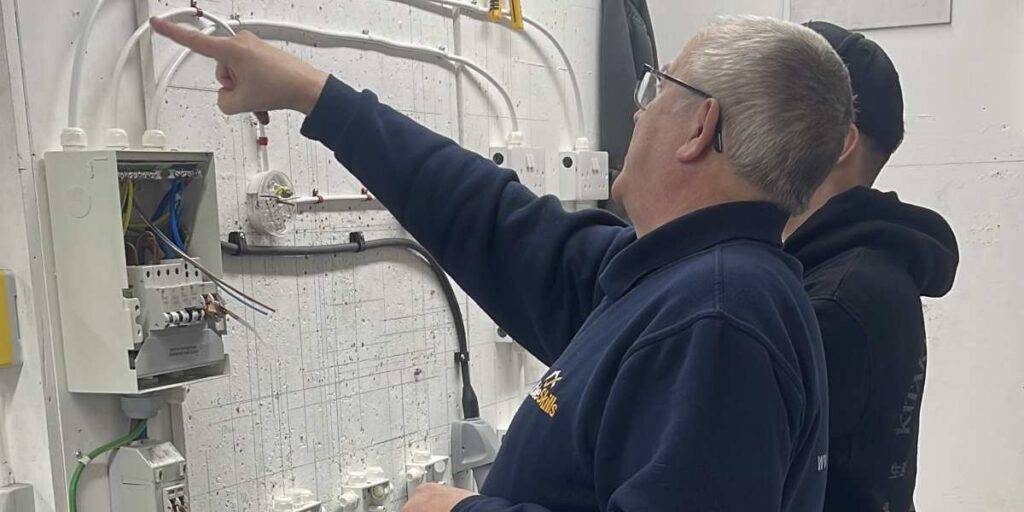
Electrician diagnosing an electrical fault

Signs you have an electrical fault that needs attention

Some things are obvious—a socket that doesn't work or a light that won't come on. Others are more subtle, but just as important. If you notice any of these, call us. Some are urgent.

  • A circuit that keeps tripping

    An RCD or breaker that trips when you use a kettle, shower or washing machine means either an overload or a fault in the circuit or appliance. We find which one and fix it.

  • A socket or switch that's warm to touch

    Heat means resistance in the circuit or connection. Turn it off and don't use it until it's checked. A scorched faceplate is an urgent call.

  • A buzzing, crackling or humming sound

    Noise from inside a switch, socket or the consumer unit points to a loose connection or failing component. It won't go away on its own.

  • A burning smell near a circuit or appliance

    Electrical fires start quietly. If you smell burning, turn off the circuit at the board straight away and call us. Don't ignore it.

  • Electric shock when touching a metal fitting

    Earthing has failed on a circuit or appliance. This is dangerous and needs to be repaired before anyone else gets a shock.

  • Lights dim when an appliance starts

    Normally, dimming disappears in a second or two. If it's noticeable, it means either a loose connection somewhere or the main tails need upgrading.

What finding a fault involves

  • A site visit to hear what's happening and check the history
  • Visual inspection of consumer unit, cables and accessories
  • Continuity and resistance testing to find the fault location
  • Insulation testing to check for faults in the cable
  • Earth loop impedance testing where relevant
  • A clear explanation of what's wrong and the options to fix it
  • A written quote for the repair or replacement
  • Repair carried out if you approve, then tested again
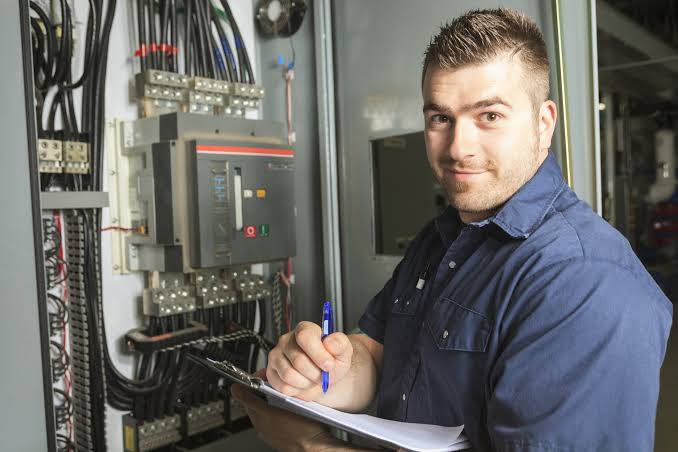
Electrical testing equipment and diagnostic work

Common electrical faults and how we fix them

Not every fault means a full rewire. These are the problems we find most often, and the repairs they usually need.

Tripping RCD or breaker

We test the circuit to find whether the fault is in the wiring, an appliance or an overload. A loose connection is tightened, a faulty appliance is unplugged, or a circuit needs splitting to share the load.

Fix: Connection re-tightened, appliance isolated, or new circuit added.

Dead socket or light

Usually a blown fuse, tripped breaker or failed connection in the circuit. We trace the circuit, test each point and find where the break is.

Fix: Connection re-made, cable replaced if damaged, or new outlet added.

Warm or buzzing socket

A loose connection creates heat and noise. We re-tighten or replace the socket, and test to confirm the circuit is safe again.

Fix: Socket tightened or replaced, connections checked throughout the circuit.

Intermittent trips or dead zones

A failing connection somewhere in the circuit that's not tight enough to pass current all the time. We test to find the exact location and re-terminate or replace.

Fix: Connection re-made or cable section replaced.

Damp affecting circuits

Water ingress in a bathroom, kitchen or external socket can cause the circuit to fail or trip. We identify where the damp is getting in, dry the socket or switch out, and repair or replace.

Fix: Weatherproof or IP-rated accessories fitted, sealing improved.

Electric shock from an appliance

Earthing has failed on the appliance or circuit. We test to pinpoint the fault, then isolate or repair the broken earthing.

Fix: Appliance isolated, circuit earthing repaired or upgraded.

How we diagnose and repair a fault, start to finish

We follow a methodical process, testing at each stage so we don't waste time or risk the circuit again.

  1. 01

    Listen to the problem

    You tell us what's happening, when it started and what you've already tried. This narrows down the fault type straight away.

  2. 02

    Visual inspection

    We look at the consumer unit, the circuit, the socket or light, and any appliances involved. Discoloration, loose wires or burn marks show us where to focus.

  3. 03

    Test the circuit and components

    Using a multimeter and insulation tester, we measure continuity, resistance and insulation to identify the exact fault location.

  4. 04

    Explain the problem and quote the fix

    We tell you what's caused the fault and what it will cost to repair. If it's urgent, we can often fix it the same day.

  5. 05

    Repair and re-test

    Once you approve, we fix the fault and test the circuit again to make sure it's safe. You get a full explanation before we leave.

Standards and safety for fault diagnosis

Electrical faults can be dangerous if they're not diagnosed properly. Here's how we do it safely and to the right standard.

Testing standard

BS 7909 and BS 7671

We use test equipment calibrated to these standards. Every test we carry out follows the right procedure for the circuit type and fault suspected.

Safety during diagnosis

Isolate before testing

We isolate the circuit at the consumer unit before opening any accessories or measuring. This keeps both us and your home safe while we work.

Paperwork

Record of tests

We document the tests we've run and the results. If a repair is needed, you get a note of what was wrong and what we've done to fix it.

What affects the cost of finding and fixing a fault

A simple diagnosis call costs less than a full repair. Here's what moves the price up or down:

  • How obvious the fault is—a dead circuit is quicker than intermittent tripping
  • Whether the fault is in a socket, switch, the consumer unit or buried in a wall
  • What parts need replacing: a socket is cheaper than a length of cable
  • Whether making good (re-plastering, decorating) is included or separate
  • How many circuits need testing to rule out related faults

After the repair is complete

Once the fault is fixed and tested, there's not much to do. But keep an eye out for these:

  • Use the circuit normally. If it trips or buzzes again, call us straight away.
  • If the fault was caused by wear or age, ask us about upgrading the whole circuit or consumer unit
  • Keep a note of what the fault was and when it was fixed, for future reference
  • Have your installation checked periodically—every 10 years for a home is typical

Questions about finding and fixing electrical faults

Quick answers on safety, costs and when to call. If you have a question not listed here, we'll answer it when you ring.

Can you find the fault the same day?

Often yes. We offer same-day callouts for urgent faults. Call 07123456789 to check availability for your area and time. If the fault is a safety risk—burning smell, electric shock, or persistent tripping—we'll prioritize it.

What if the fault is in my appliance, not the electrics?

We test the circuit and the outlet separately, so we can tell you exactly whether the problem is with your wiring or the appliance. If it's the appliance, we'll isolate it safely and you can arrange repair or replacement with the maker.

Will I need a new consumer unit or rewire?

Rarely. Most faults are fixed by tightening a connection, replacing a socket or switch, or running a new circuit to split an overloaded one. If the whole installation is old or unsafe, we'll be honest about it and quote for the full job.

Is the fault going to happen again?

If it was a loose connection, tightening it fixes it permanently. If it was a failed component, replacing it does the same. If the circuit is overloaded or aging badly, it might fail again later—we'll talk you through the options and timescale.

Do I need an electrician certificate after a fault repair?

For small repairs—a replaced socket or re-tightened connection—you don't. If we run new cable or add a new circuit, you get a Minor Works Certificate. We're NICEIC registered, so every certificate is genuine and recognized by surveyors and insurers.

What should I do if I think there's an electrical fault?

If it's safe, turn off the circuit at the consumer unit. Don't use that circuit until it's checked. If there's a burning smell, buzzing, or you've had an electric shock, call us straight away on 07123456789. We cover Bristol and Bath 24/7 for emergencies.

Fault found? Get it diagnosed and fixed by an electrician.

Call us today for a same-day visit or to book a time that suits you.

07123456789